


Exhibitions
Labor & Adornment
Various Artists
March 19 - April 25, 2025
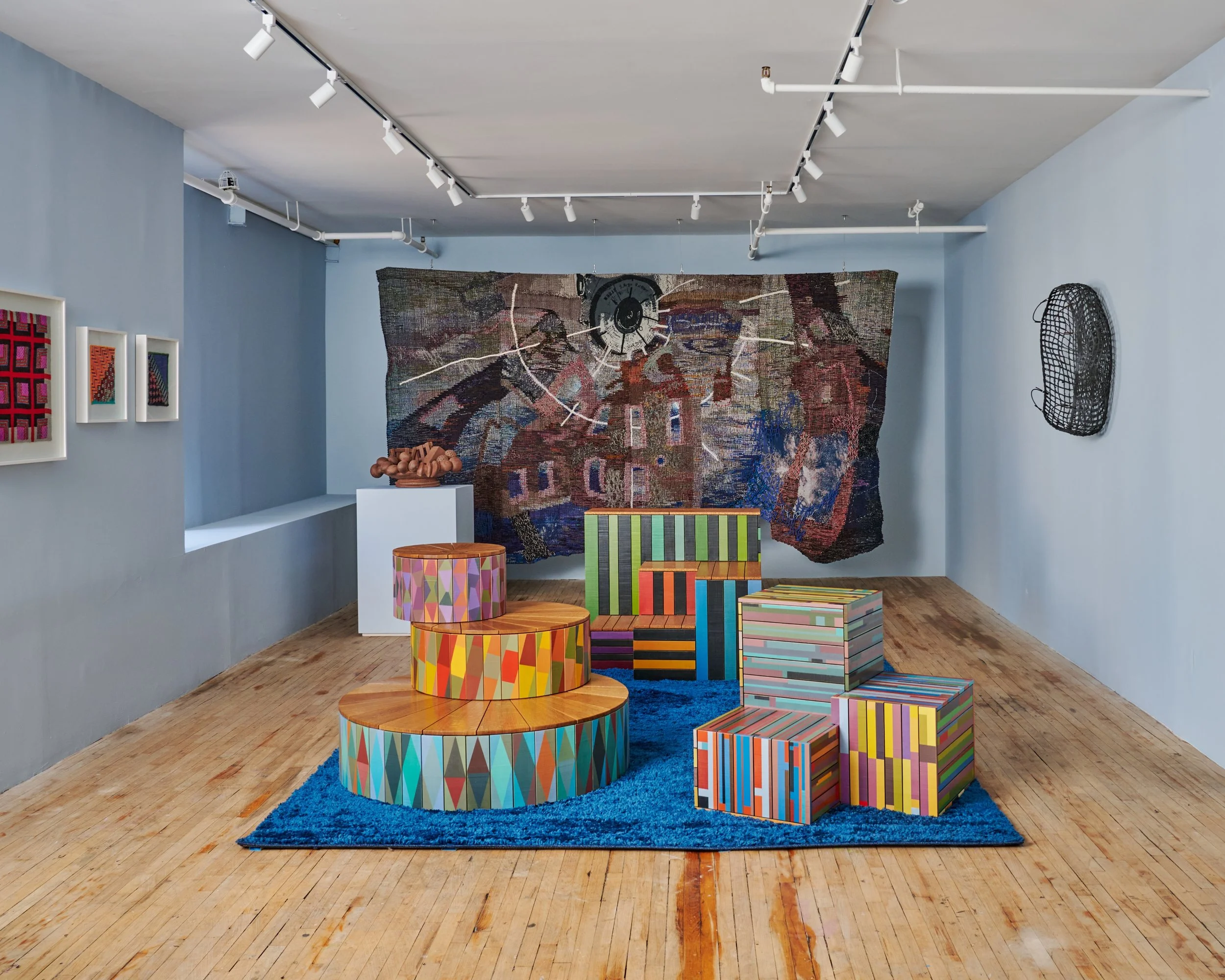
Installation view (Photo: Matthew Gordon)
Superhouse is pleased to present Labor & Adornment: Radical Craft, a group exhibition bringing together artists who treat craft not as tradition preserved, but as tradition rerouted. On view from March 19 through April 25, 2026, the exhibition stages a conversation across wood, fiber, glass, ceramic, and basketry, foregrounding making as a contemporary form of thought.
Artists included:
Aspen Golann, Cal Siegel, Colin Knight, Dotan Appelbaum, Jonny Campolo, Liz Collins, Maris Van Vlack, Sarita Westrup, Sophie Stone, Syd Carpenter, Tom Loeser, Wendy Maruyama.
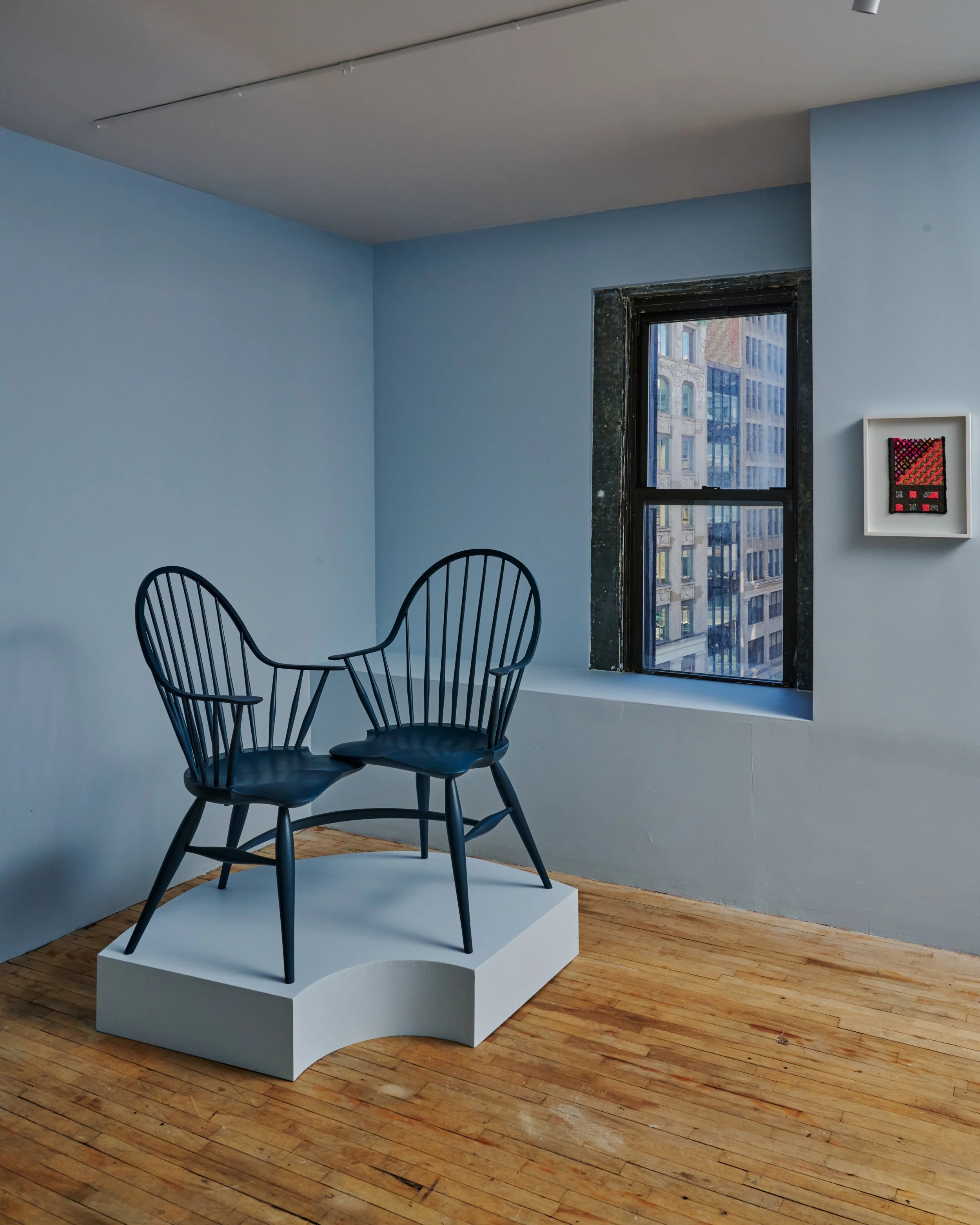
Installation view (Photo: Matthew Gordon)
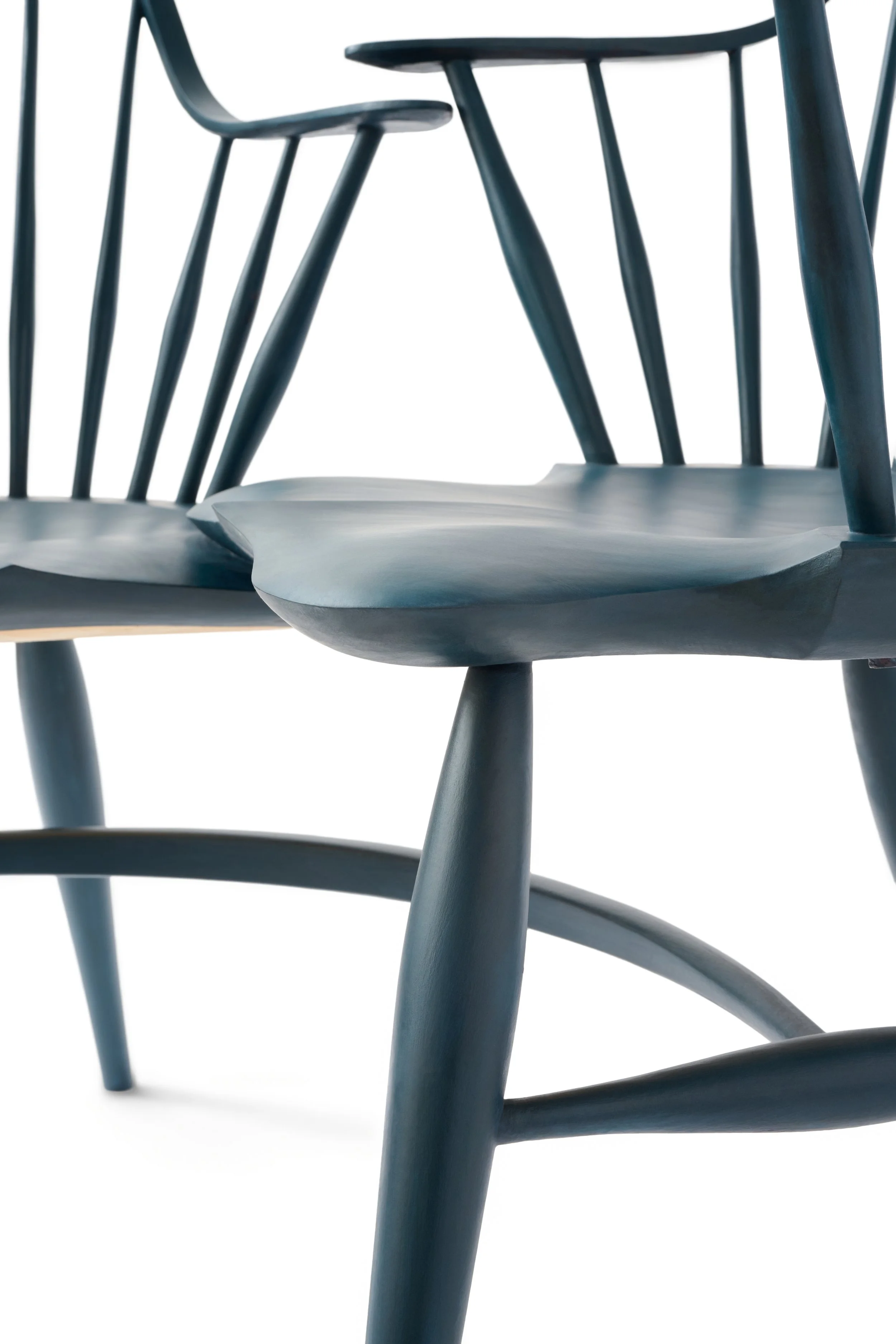
Aspen Golann The Courting Chairs detail (Photo: Kate Benson)
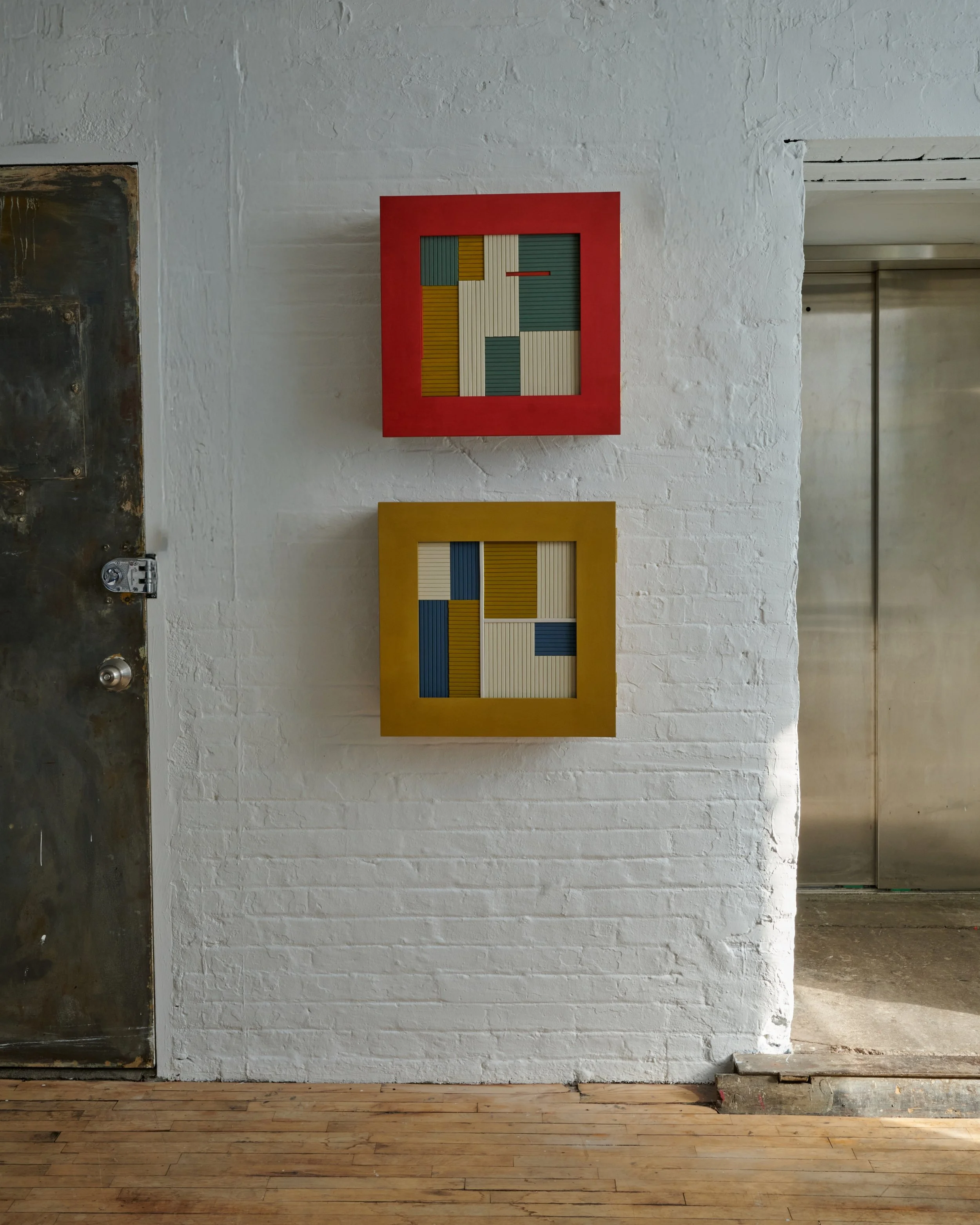
Installation view with works by Wendy Maruyama

Wendy Maruyama Rx, 2024 (Detail)
As craft historian Glenn Adamson has argued, craft is not a noun but a verb. It is not a fixed category of objects, but a way of working shaped by time, technique, and attention. In Labor & Adornment, material mastery is not presented as mere virtuosity. Instead, craft operates as an active language capable of carrying history, revealing power, and remaking inherited forms.
Two ideas structure the exhibition: adornment and labor. Here, ornament is not secondary to structure, but a coded vocabulary through which surface can signal lineage, taste, and belonging. Labor, likewise, is not simply evidence of skill. It appears as an ethics of care made visible through repetition, restraint, and finish.
The exhibition draws on historical legacies without treating them as quotation or revival. Figures such as William Morris and Louis Comfort Tiffany serve as reference points for a longer argument that beauty has always carried political meaning, and that craft has long shaped everyday life. Throughout the exhibition, inherited forms are treated as sites for revision rather than preservation. The artists in Labor & Adornment work across the Northeast, Mid-Atlantic, South, Midwest, and West Coast, reflecting how radical craft has circulated through regional lineages rather than emerging from a single center.
Liz Collins and Aspen Golann, artists who have both recently presented institutional exhibitions, use domestic forms as vehicles for ritual, expression, and critique. Collins’s needlepoints unfold through sustained hand labor that suspends time, transforming needlepoint from decorative surface into a site of presence and care, and reframing a feminized domestic medium as a space of agency. Golann’s conjoined Windsor chair applies similar rigor to American furniture traditions, reworking a familiar form to surface the gendered structures of labor, authorship, and power embedded within it.
Elsewhere in the exhibition, craft emerges as a carrier of place, politics, and lived experience. Sarita Westrup draws on the material language of South Texas border towns to create basket forms that insist on slowness and care as radical acts. Dotan Appelbaum’s marquetry table reframes pattern as structure rather than decoration, collapsing the divide between ornament and ideology. Maris Van Vlack expands weaving into a large-scale visual field shaped by both handwork and digital methods. Wendy Maruyama’s painted wall cabinets translate early Bauhaus color studies into domestic architecture, while Tom Loeser’s tiered Sit-Upons merge Shaker restraint with the social logic of the stoop, turning seating into a scaffold for gathering. Syd Carpenter’s Farm Bowl grounds the exhibition in agricultural form and material knowledge, and Jonny Campolo’s Tiffany-style stained-glass window insert transforms the gallery into a threshold shaped by light.
Taken together, the works in Labor & Adornment: Radical Craft refuse the separation of fine art from craft. Instead, they assert craft as a form of cultural agency, where adornment becomes structure and labor becomes meaning.
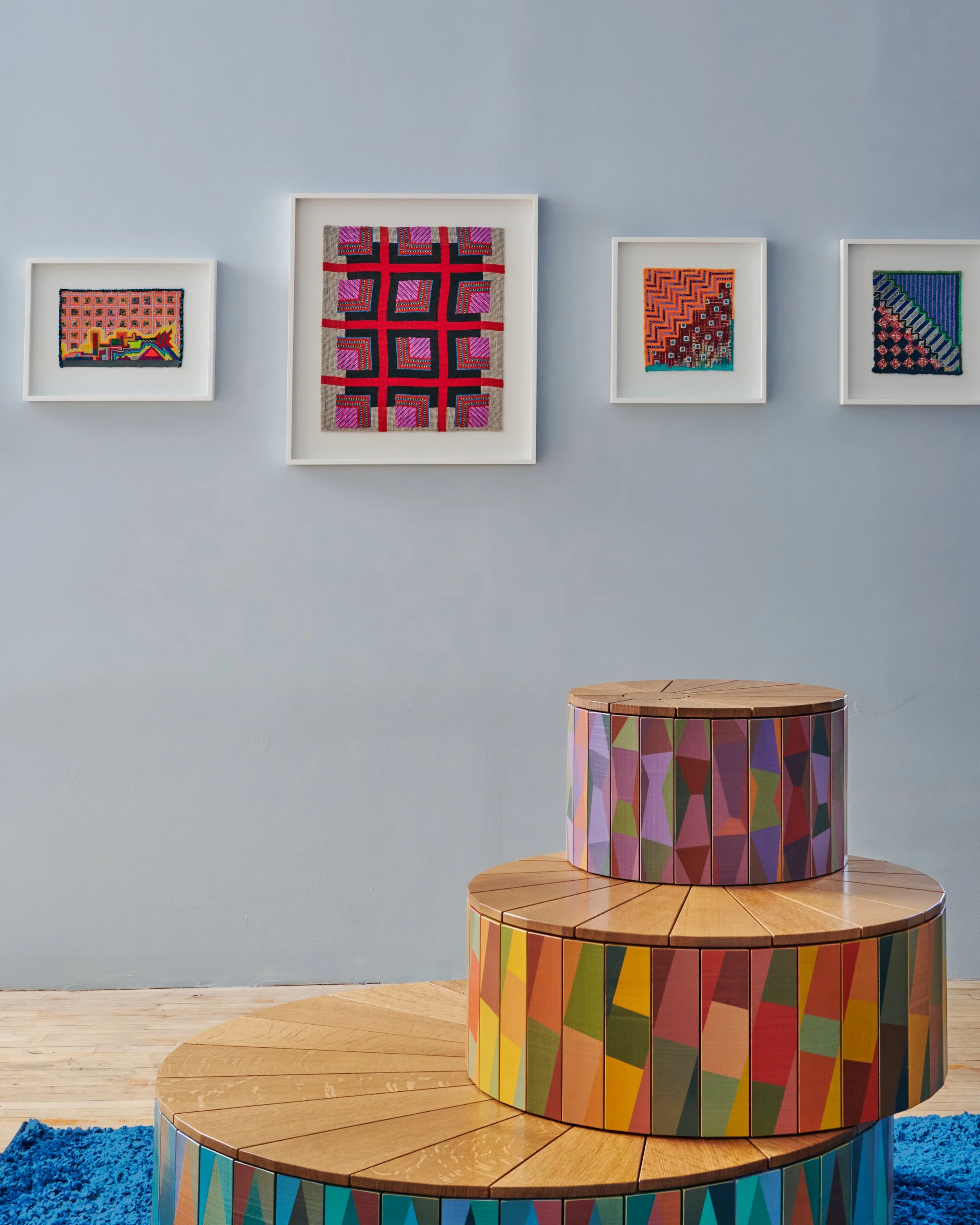
Installation view with works by Liz Collins (top) and Tom Loeser (bottom)
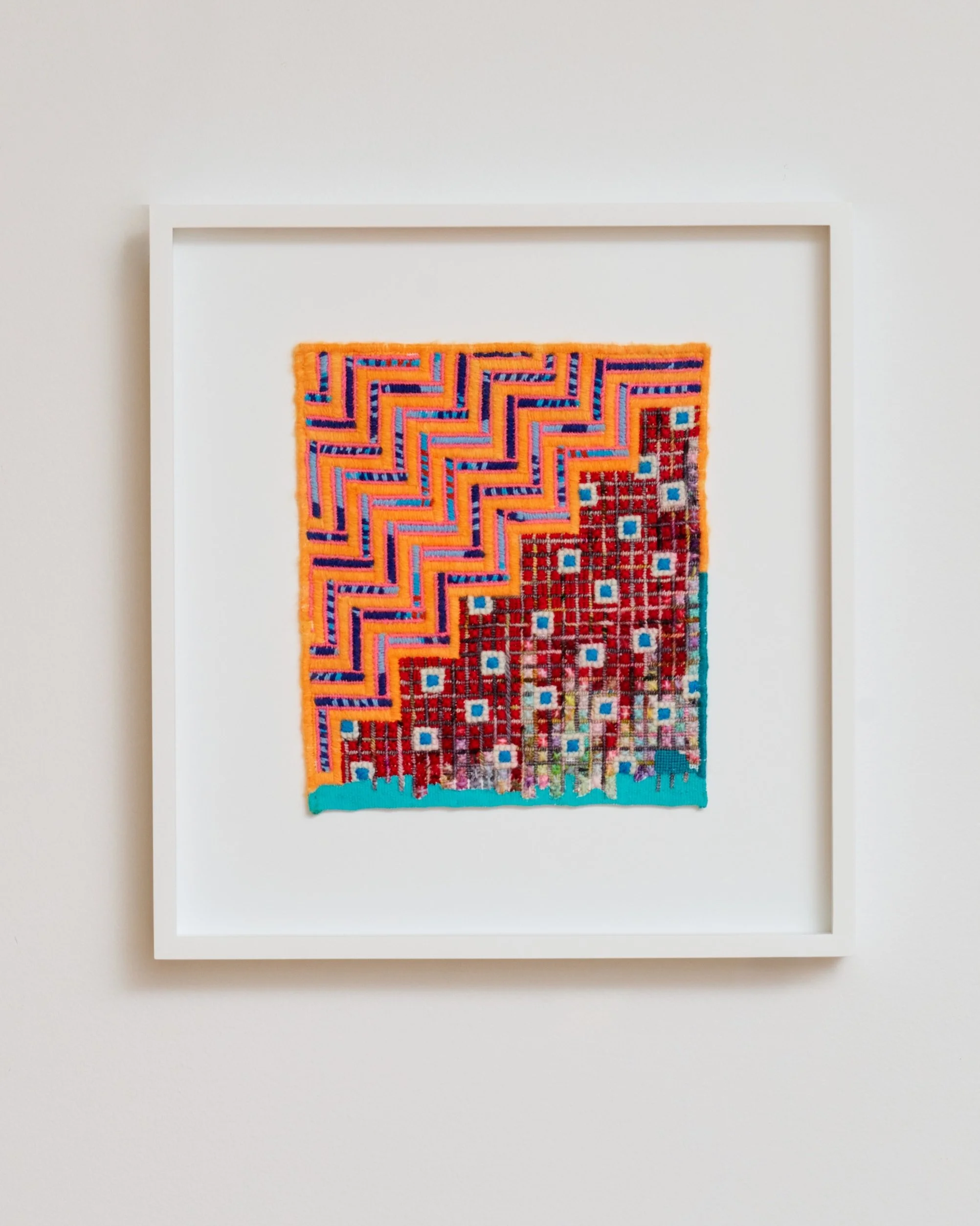
Liz Collins Tiles, 2025
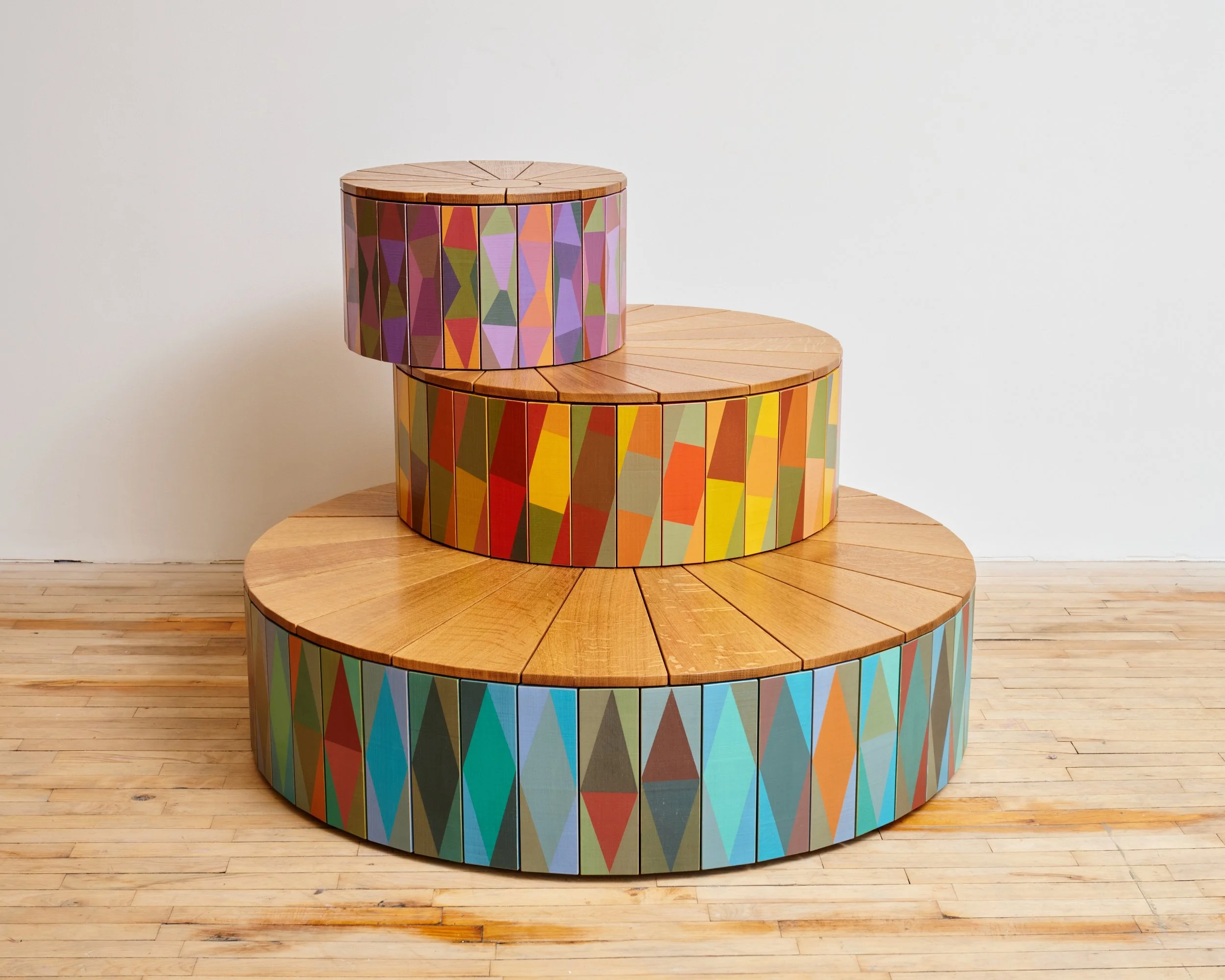
Tom Loeser Sit-Upon Round, 2025
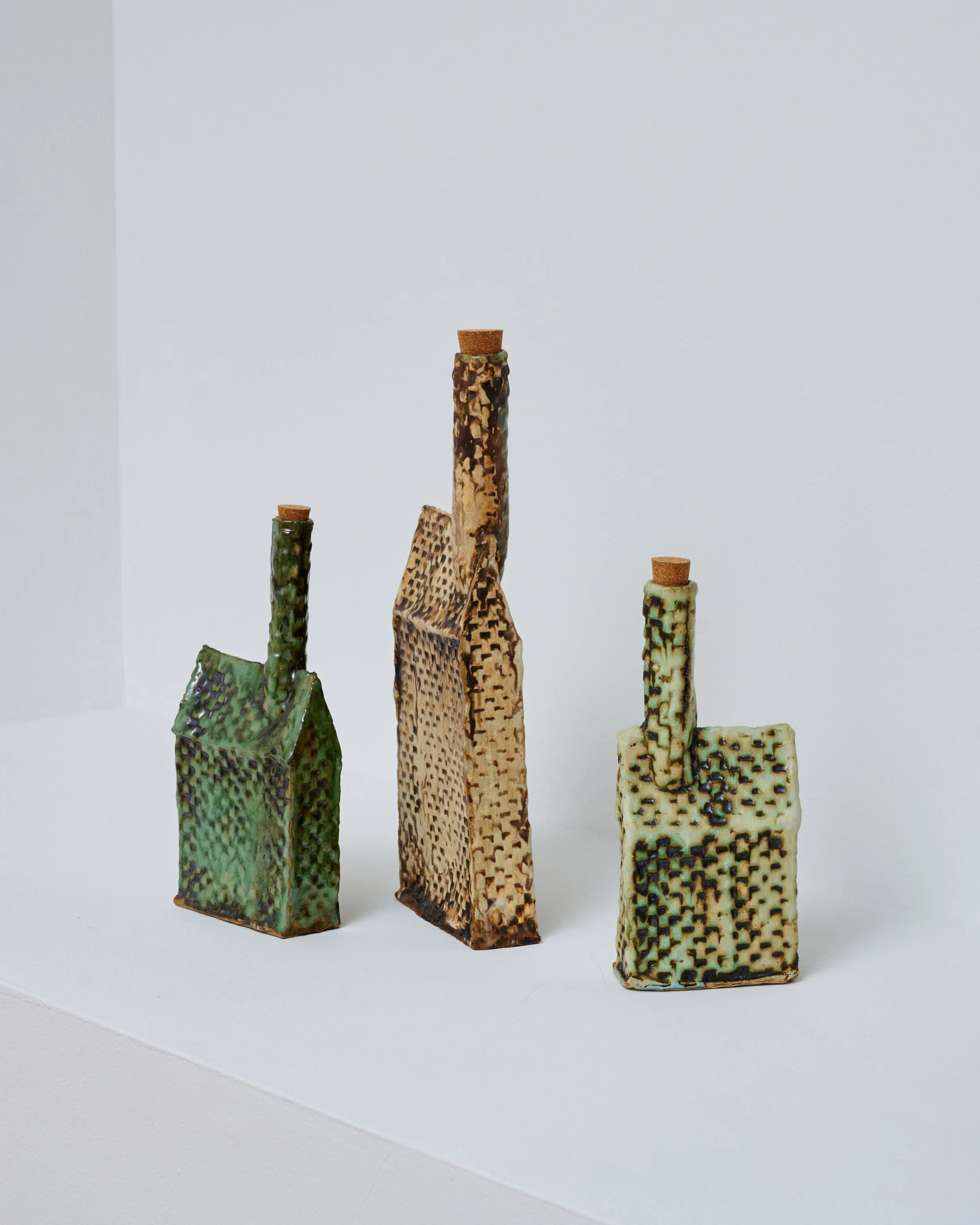
Cal Siegel House Bottle 6, House Bottle 7, and House Bottle 8, all 2026 (Photo: Matthew Gordon)
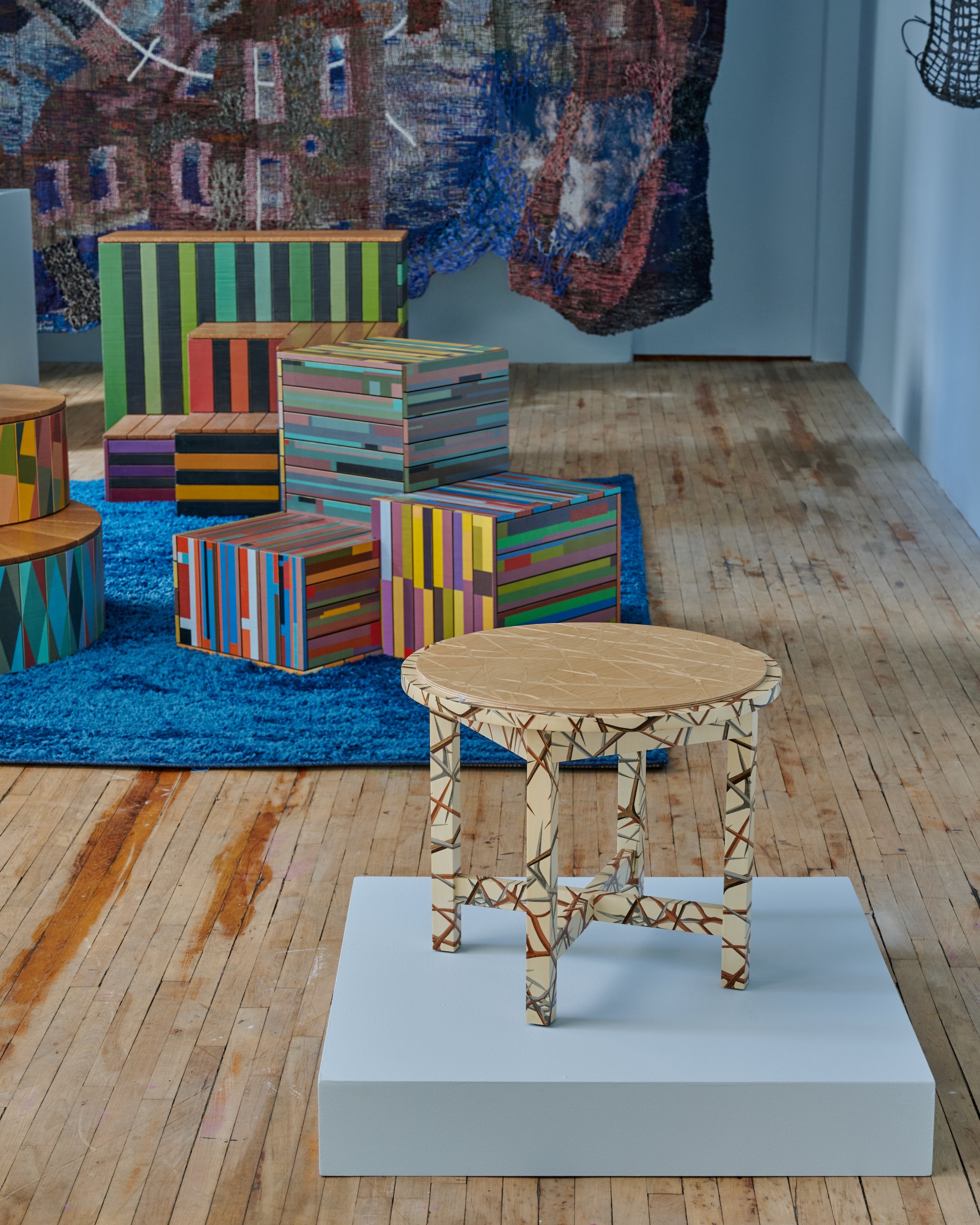
Installation view with Dotan Appelbaum in the foreground
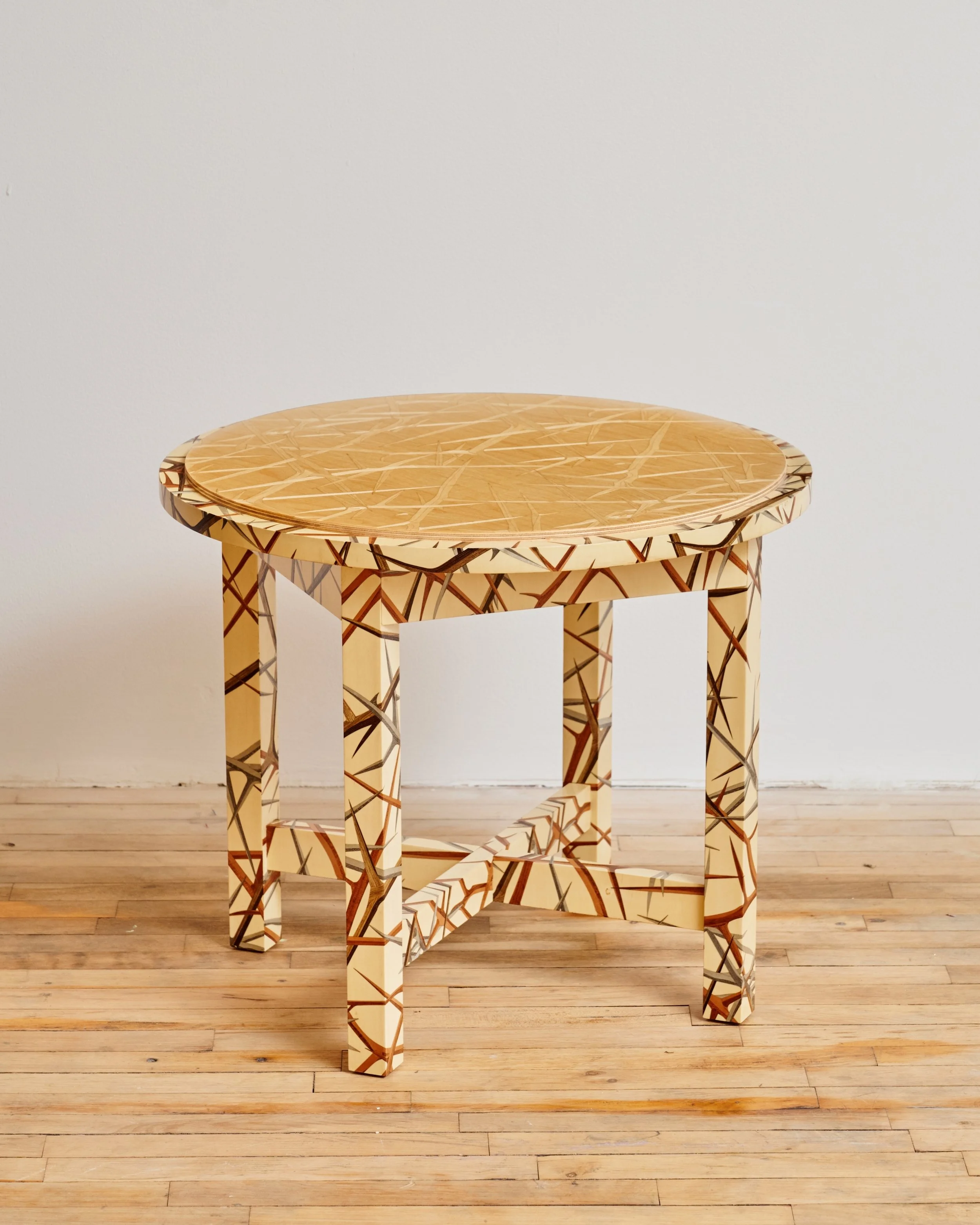
Dotan Appelbaum Honey Locust Thorns, 2025
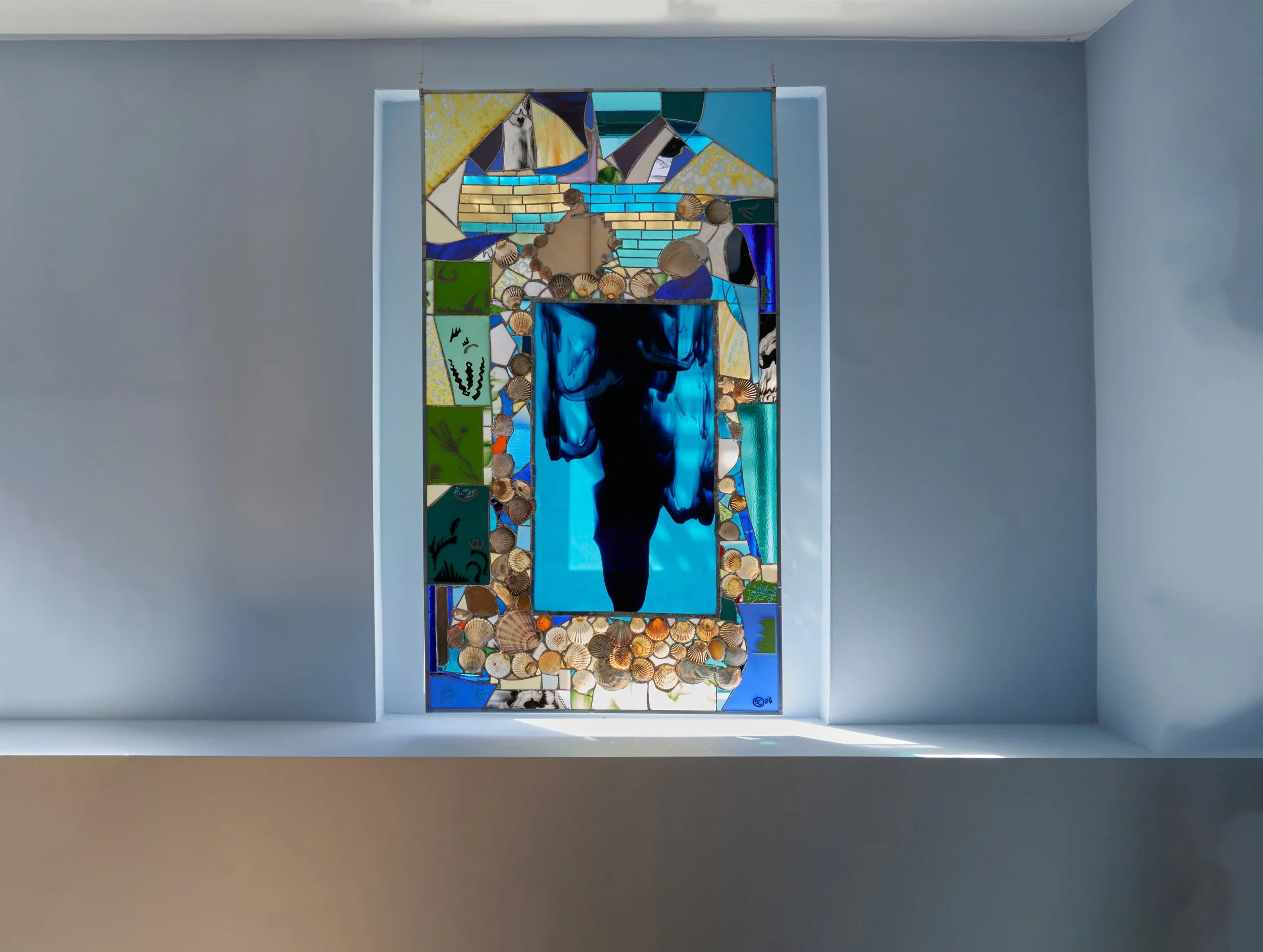
Jonny Campolo Beach Bum, 2026 (Photo: Matthew Gordon)
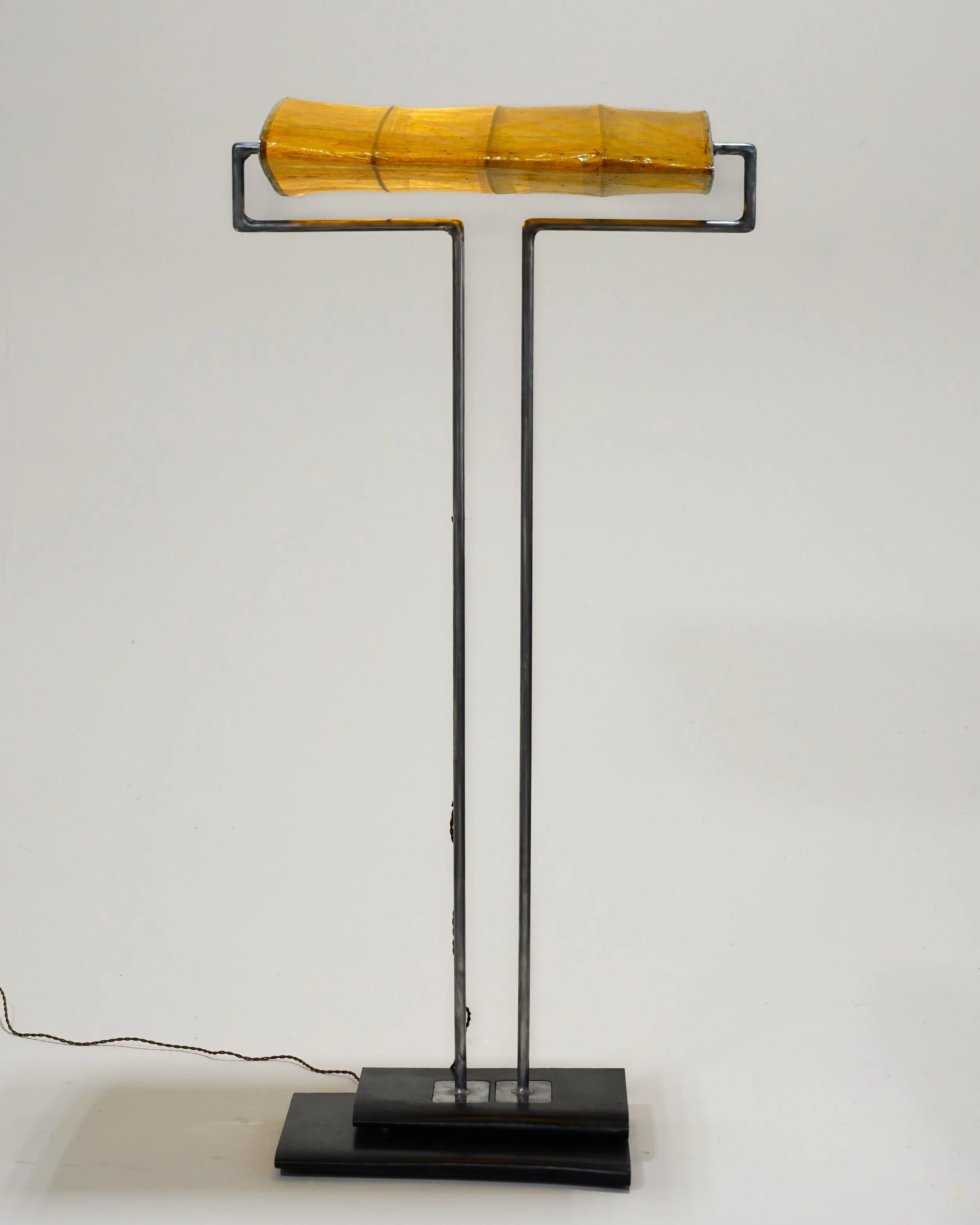
Colin Knigh Aileron, 2026
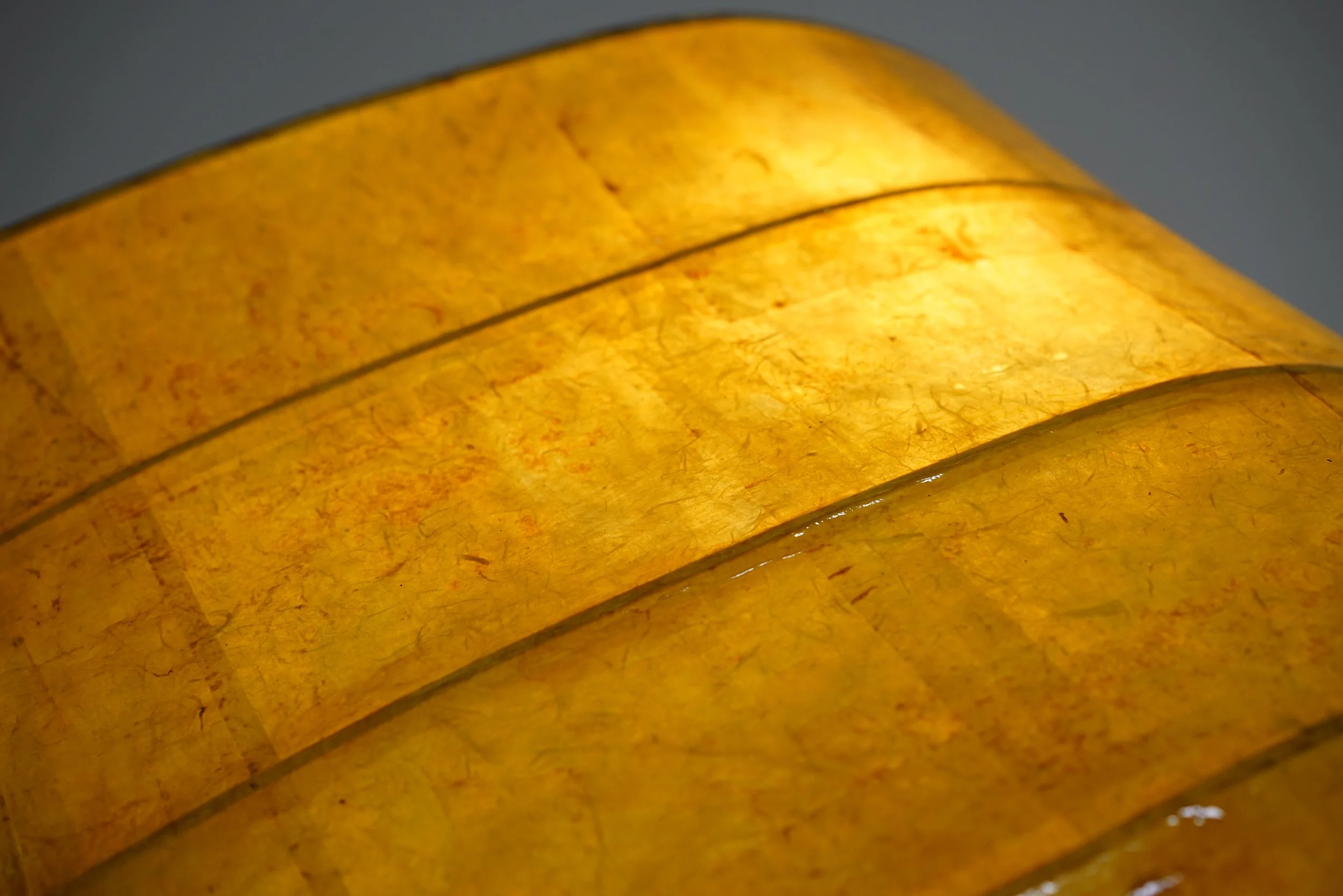
Colin Knigh Aileron detail
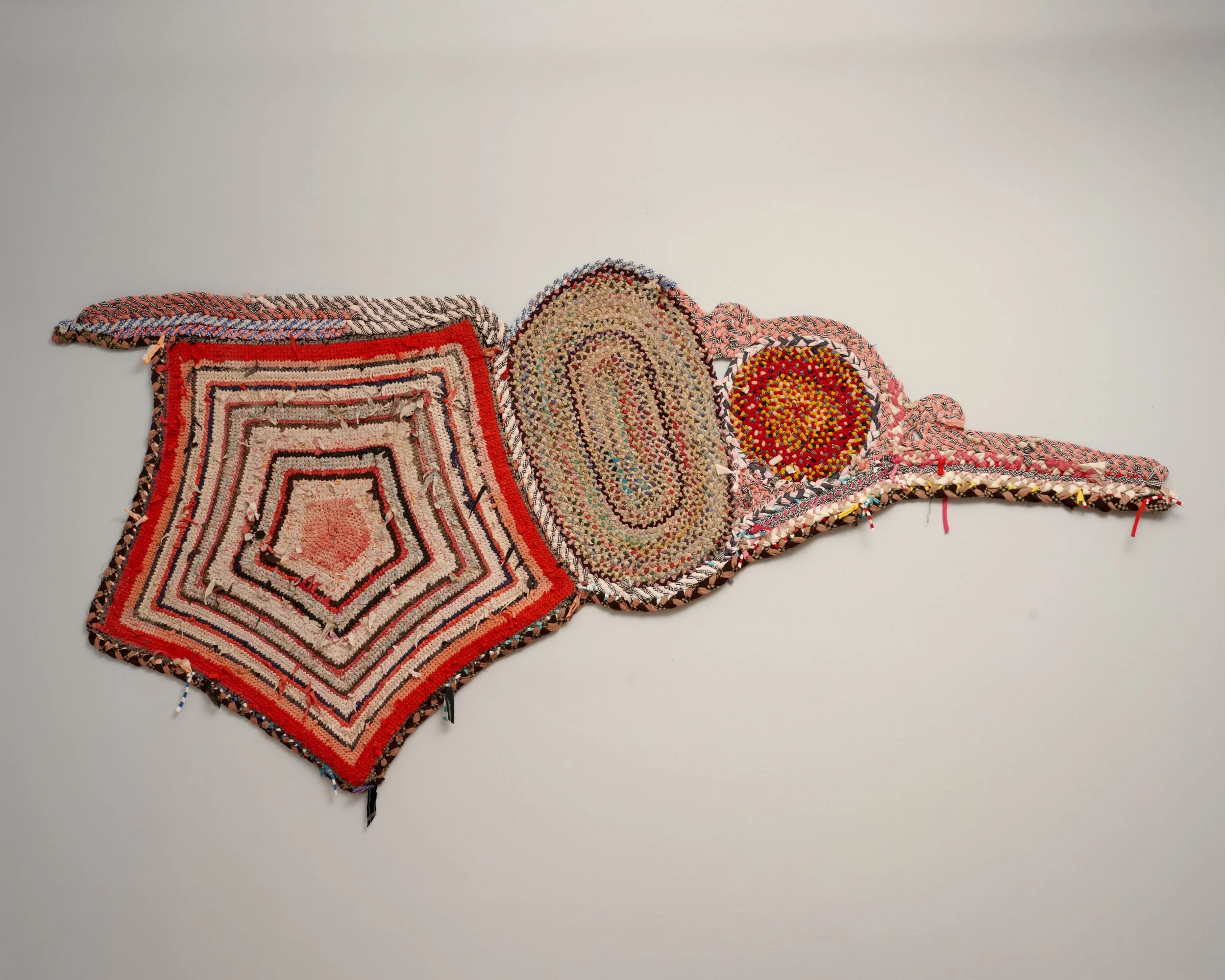
Sophie Stone Star Rug, 2026
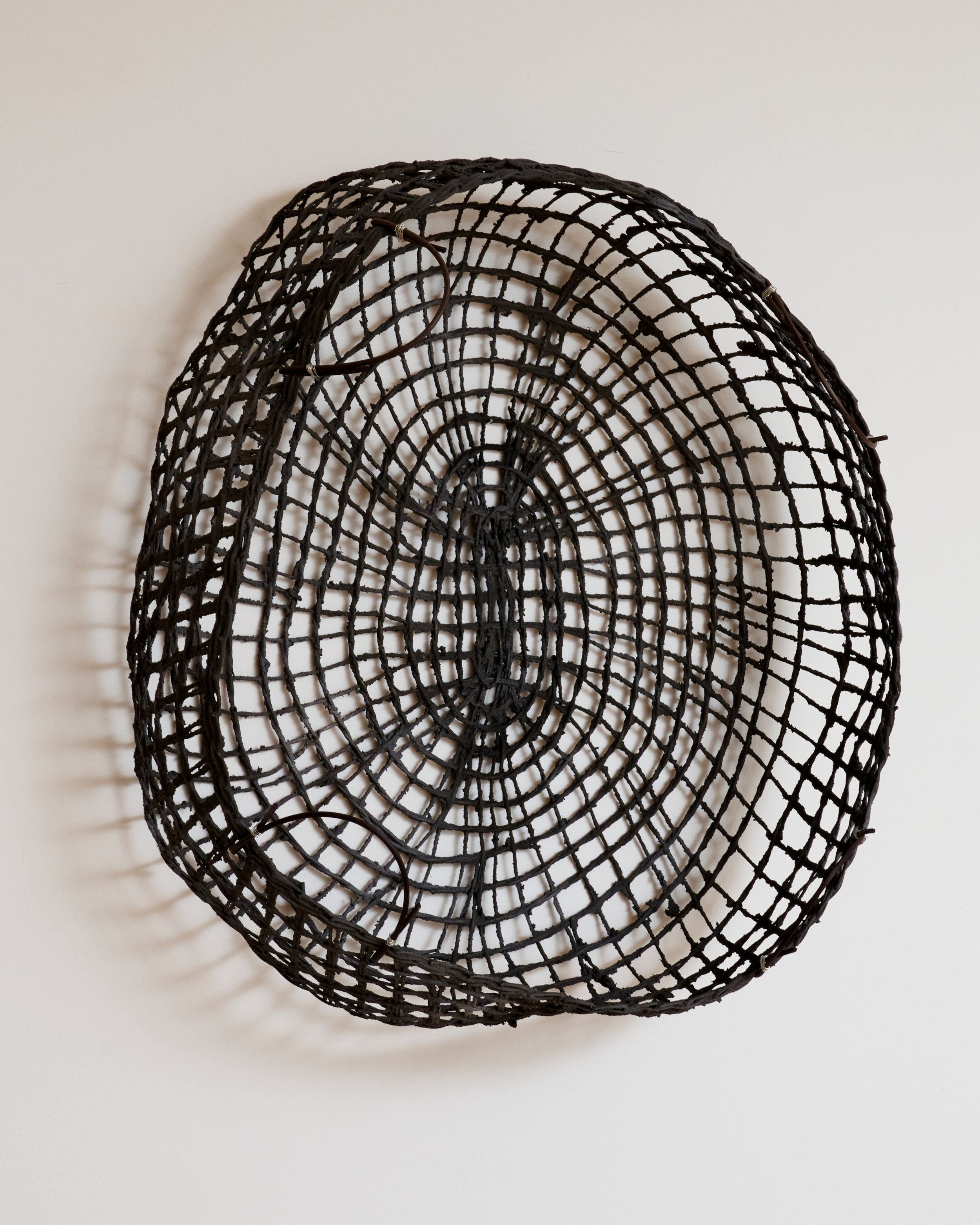
Sarita Westrup Presence IV, 2026
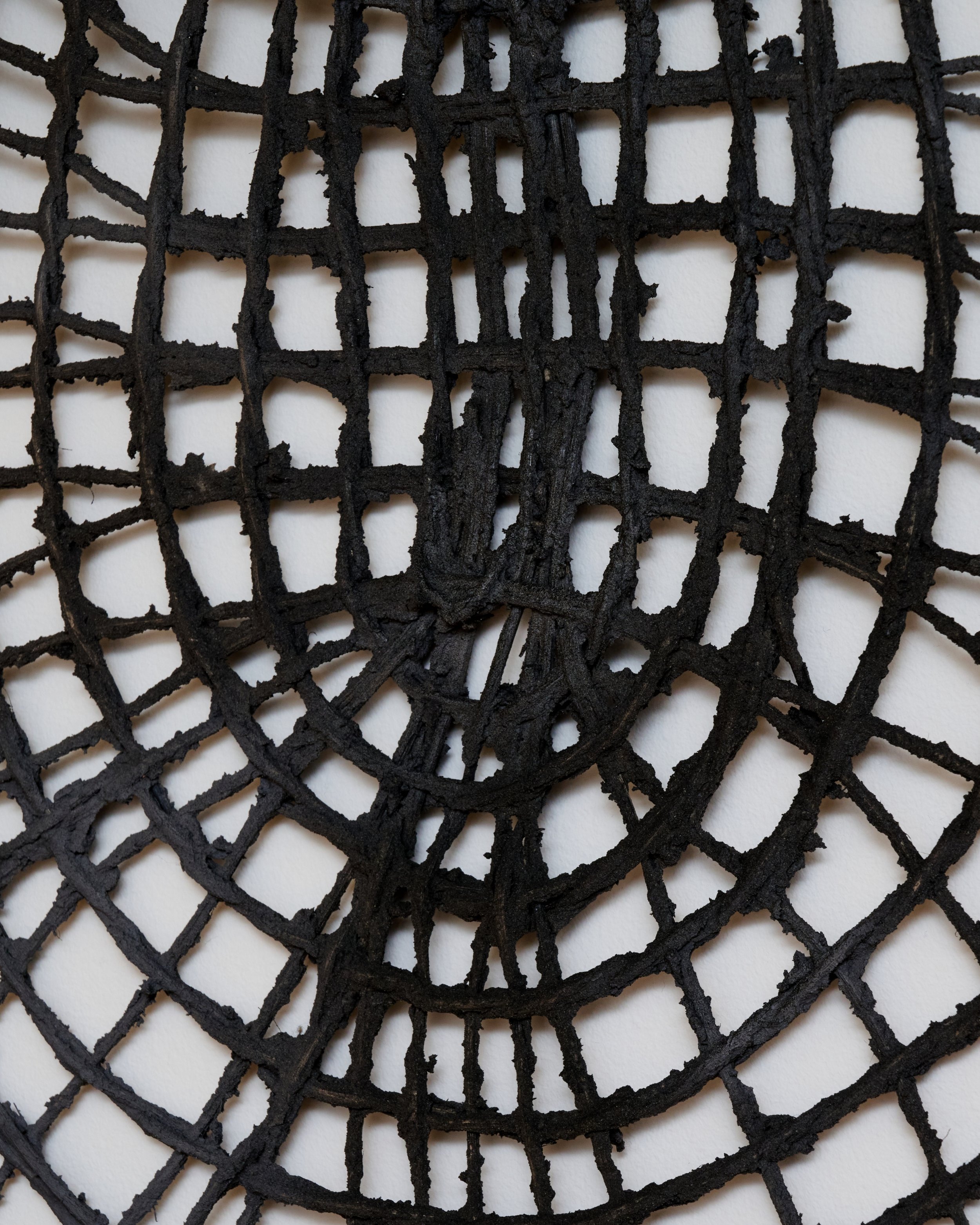
Sarita Westrup Presence IV detail
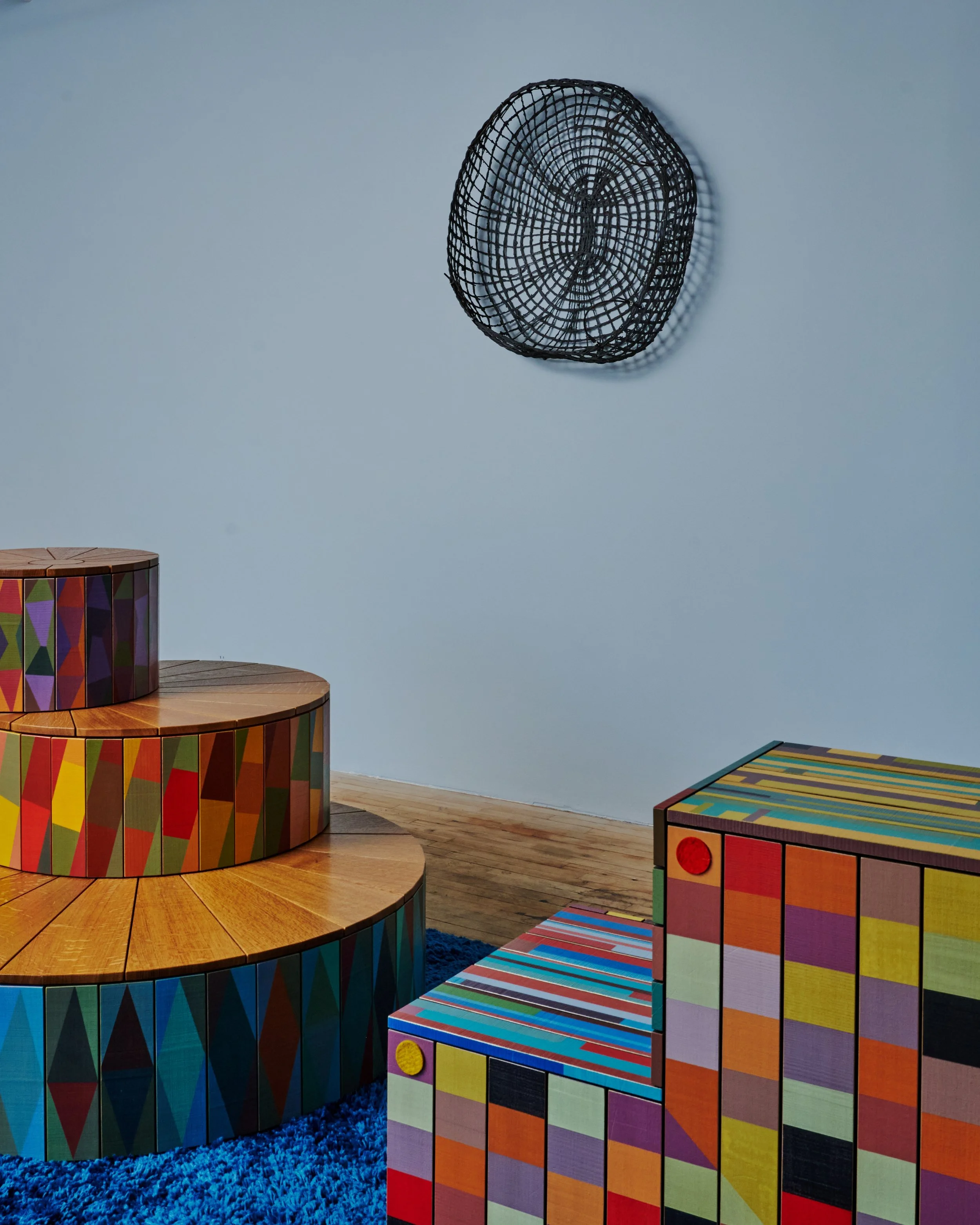
Installation view with Sarita Westrup (top) and Tom Loeser (bottom)
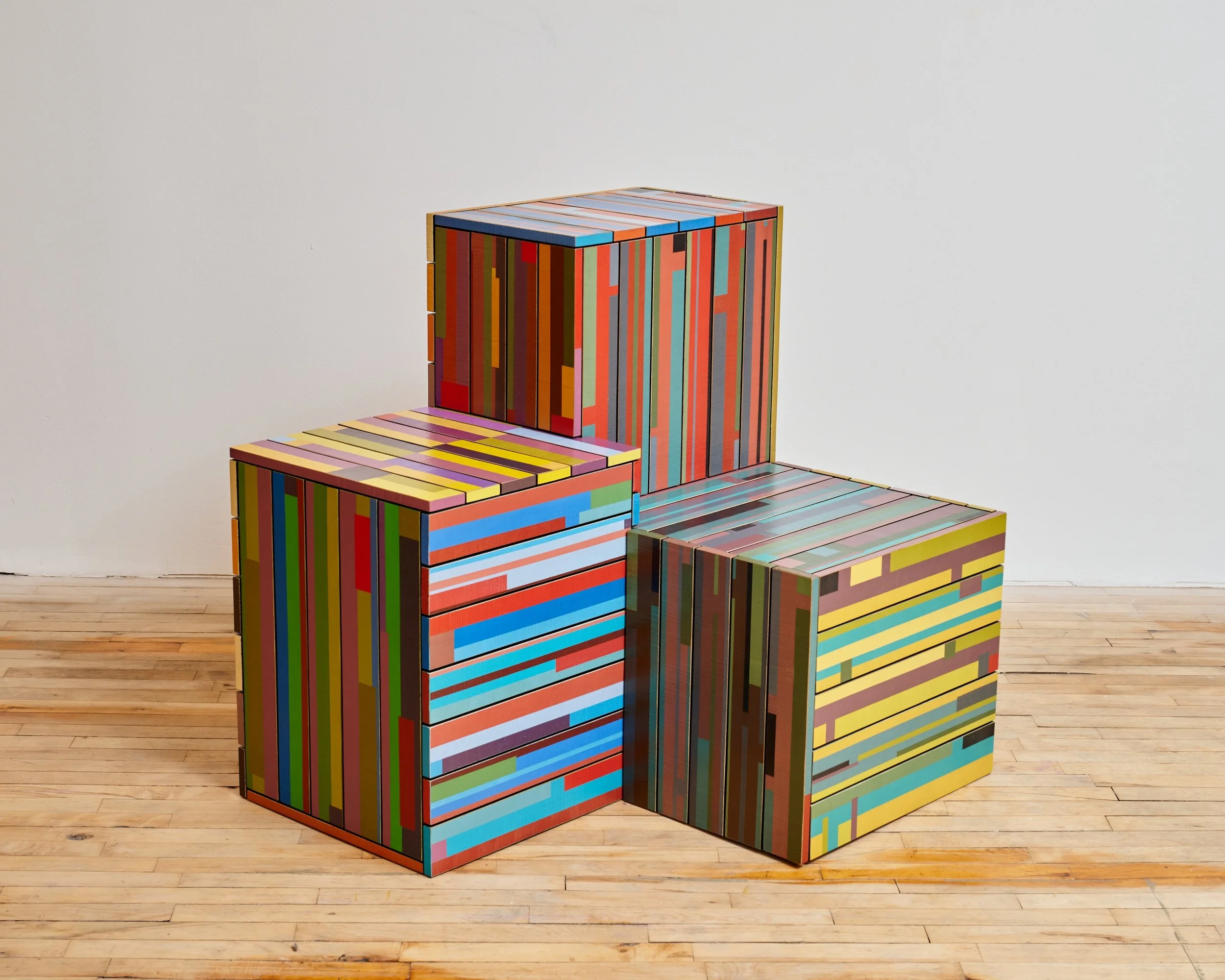
Tom Loeser Sit-Upon Morph, 2025
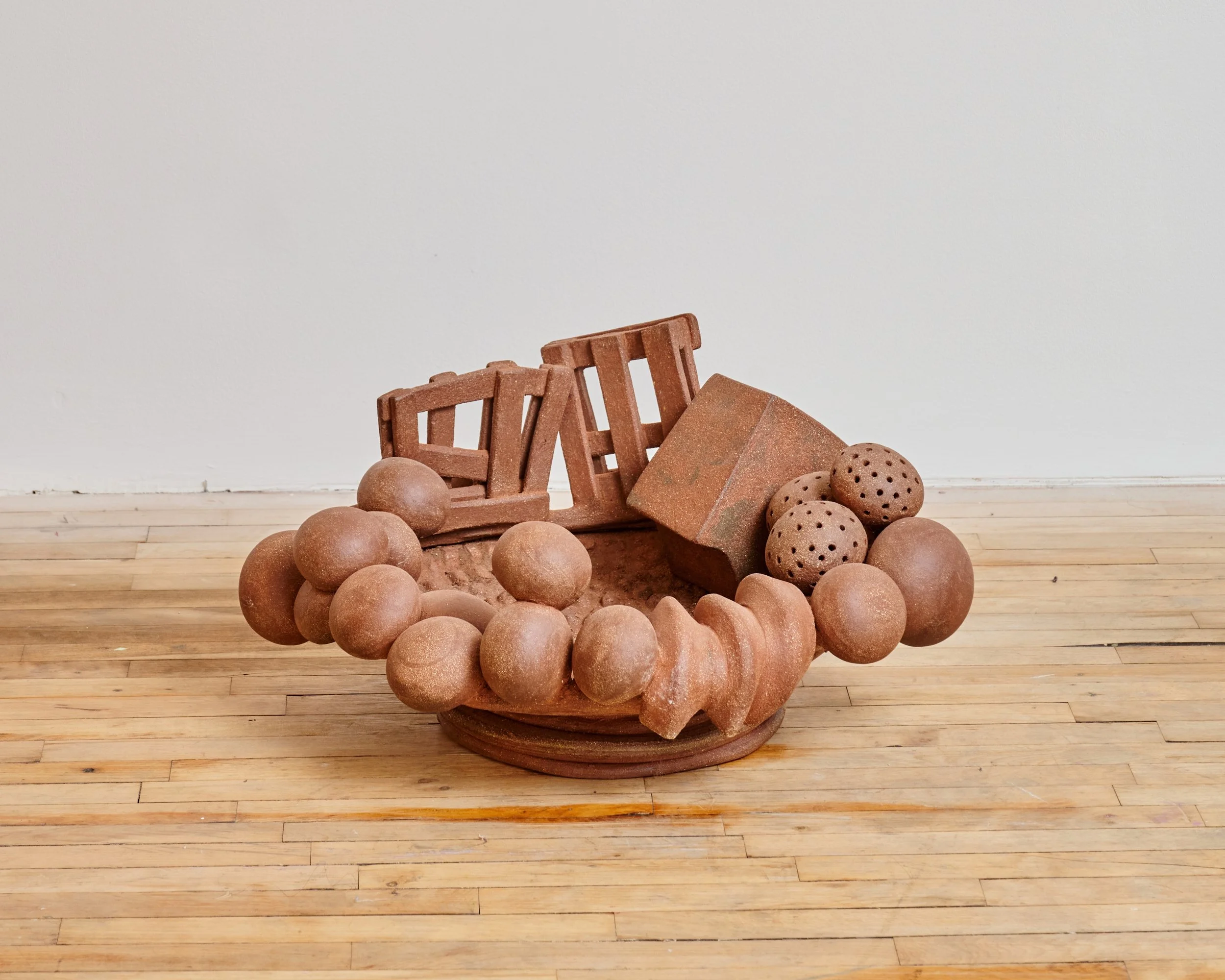
Syd Carpenter Farm Bowl with Orchard, 2021
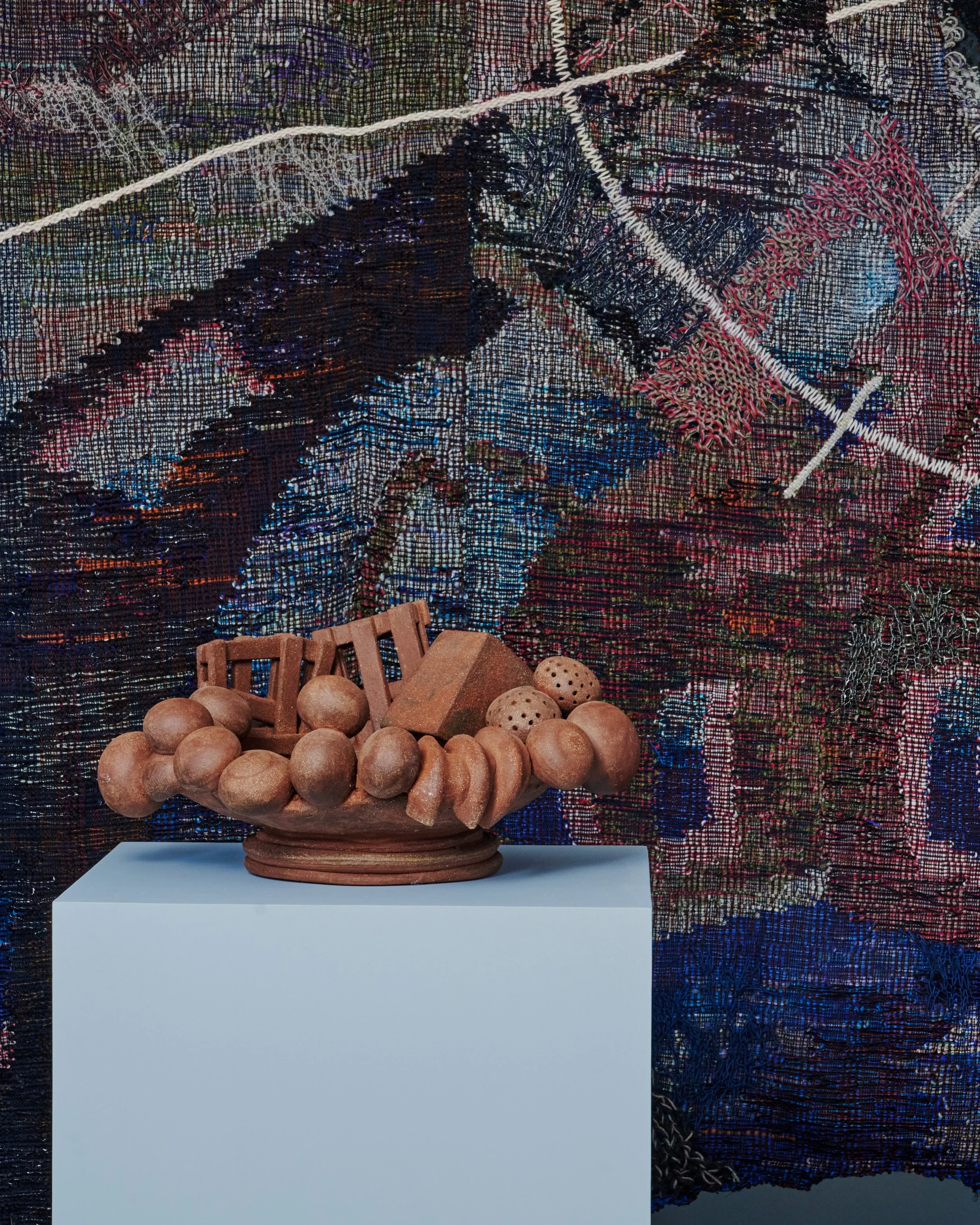
Installation view with Syd Carpenter and Maris Van Vlack
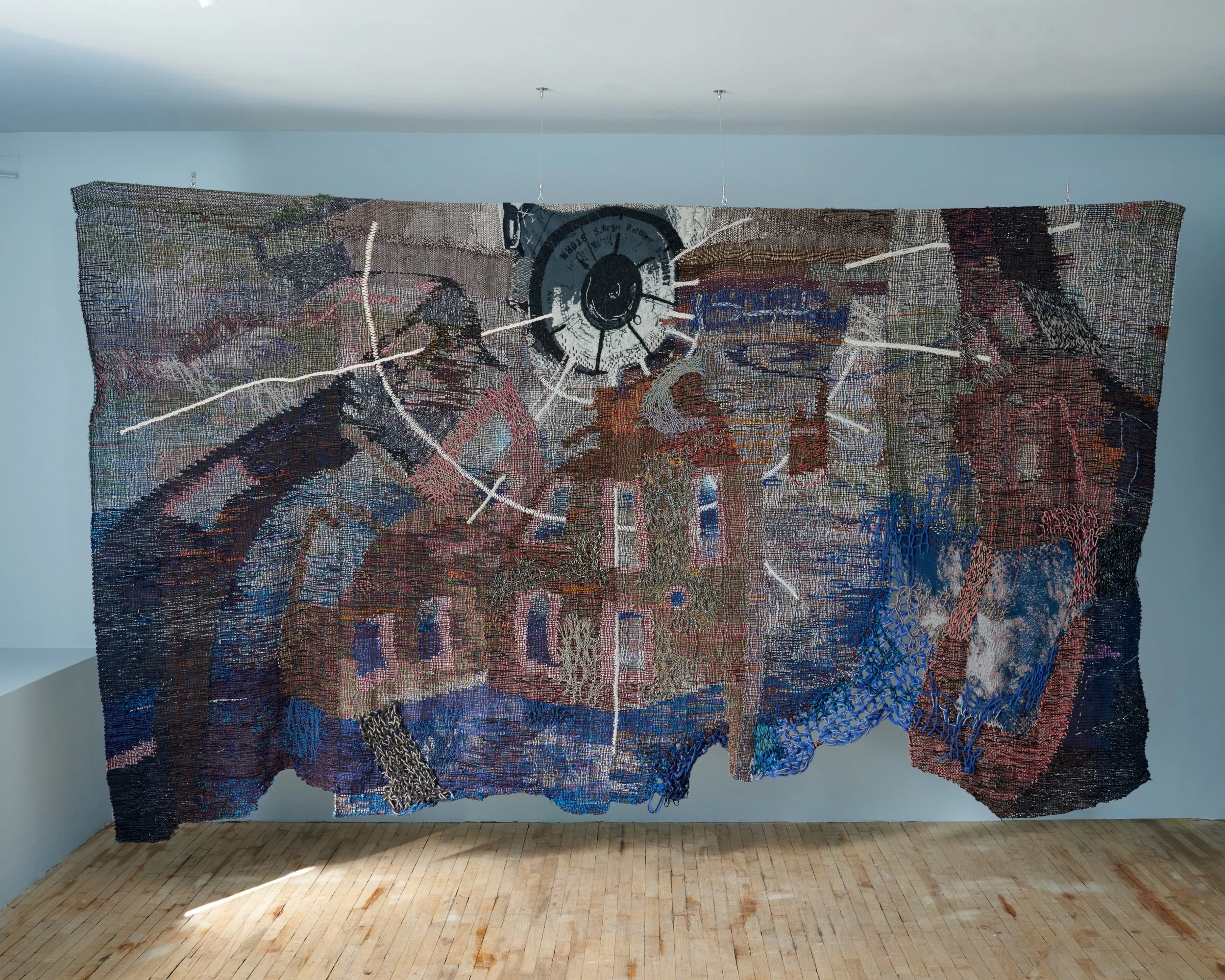
Maris Van Vlack String Compass, 2026
Aspen Golann
Aspen Golann is an artist, furniture maker, and educator whose work blends iconic furniture forms with sculpture and social practice. Trained as a seventeenth- to nineteenth-century woodworker, Golann explores gender and power through the manipulation of American decorative arts traditions. She teaches furniture design at the Rhode Island School of Design and leads craft workshops internationally. Her work has been featured on NPR and PBS and published widely, including in The New York Times, Architectural Digest, Vogue, and Hyperallergic.
Cal Siegel
Cal Siegel is an artist whose work examines American vernacular architecture as a site of memory, mythology, and historical unease. Working across sculpture, photography, and installation, Siegel draws from the domestic landscapes of New England to explore how early American architectural forms carry emotional and cultural residue. His house-like structures and architectural interventions treat the home as a psychological and symbolic container, collapsing personal narrative with collective history.
Colin Knight
Colin Knight is an artist and designer whose practice investigates the cultural afterlives of mid-century modern aesthetics through a critical contemporary lens. Working across furniture, lighting, and sculptural objects, Knight reinterprets familiar modernist cues to question taste, domestic ideology, and the production of desire. His work moves between functional reference and conceptual proposition, treating design as a form of authorship and commentary.
Dotan Appelbaum
Dotan Appelbaum is an artist, furniture maker, and writer from Minneapolis, Minnesota (b. 1999), currently based in Richmond, Virginia. He holds an MFA in Furniture Design from the Rhode Island School of Design and has a background in painting and fine woodworking. Appelbaum brings a theory-oriented, sociological approach to furniture, often working through critical reproduction to reinterpret historical precedents and challenge prevailing narratives in design, ornament, and craft. Recent exhibitions include his solo show Severe Optimism at Mercer University’s McEachern Art Center. His work has been presented during NYC Design Week, Collectible Fair NYC, and Scope Art Fair Miami Beach, among others.
Jonny Campolo
Jonny Campolo is an artist and maker whose work draws on the visual language of stained glass and decorative traditions to explore intimacy, domesticity, and contemporary ornament. Working at the intersection of craft and installation, Campolo approaches light as a material in its own right, using patterned glass as both image and architecture. His stained-glass interventions engage the built environment directly, transforming thresholds and windows into sites of contemporary making.
Liz Collins
Liz Collins is an artist and designer whose practice centers on textile media as a site of labor, expression, and cultural agency. Working across installation, performance, and object-based forms, Collins foregrounds hand process, repetition, and color to transform textile techniques historically associated with utility or decoration into vehicles for presence and care. Her work reframes craft as an active, embodied language shaped by time, touch, and movement.
Maris Van Vlack
Maris Van Vlack is an artist and textile maker whose work expands weaving into large-scale visual fields shaped by both hand process and digital methods. Working with fiber, mixed media, and loom-based techniques, Van Vlack explores pattern as structure and surface as a site of experimentation. Her practice merges traditional textile intelligence with contemporary material language, producing works that feel simultaneously intimate, architectural, and technologically attuned.
Sarita Westrup
Sarita Westrup is an artist whose practice explores weaving and basketry as sculptural form, often drawing from the material language of the American Southwest and South Texas. Working with reed and other natural materials, Westrup creates delicate, rock-like structures that insist on slowness, care, and close attention. Her wall-hung and freestanding basket forms reframe craft as both spatial and political, treating making as a quiet but forceful mode of contemporary expression.
Sophie Stone
Sophie Stone is an artist whose work explores textiles as transitional objects that exist between painting and use. Her rug-painting hybrids operate in states of functional ambiguity, appearing on floors, walls, and architectural thresholds. Incorporating found and domestic materials that are cut, painted, layered, and restitched, Stone’s work foregrounds erosion, accumulation, and the passage of time, treating labor as both gesture and record.
Syd Carpenter
Syd Carpenter is an artist based in Philadelphia whose work engages the material histories of land, agriculture, memory, and Black rural life. She received a BFA and MFA from Tyler School of Art. Carpenter’s work is held in major museum collections including The Metropolitan Museum of Art, the Renwick Gallery of the Smithsonian American Art Museum, the Philadelphia Museum of Art, and the Swedish National Museum. She is the recipient of numerous awards and fellowships, including a United States Artists Fellowship and an Anonymous Was A Woman award, and has been recognized for excellence in teaching and mentorship.
Tom Loeser
Tom Loeser is an American artist and furniture maker known for exuberant, materially rigorous works that blur the line between sculpture and functional form. Working primarily in wood, Loeser employs vivid color, graphic pattern, and playful structure to explore how objects communicate identity, humor, and desire. His practice draws from diverse histories of furniture and making, while pushing craft toward improvisation and radical surface.
Wendy Maruyama
Wendy Maruyama is an artist and furniture maker whose practice spans sculpture, installation, and the reimagining of domestic forms. Known for her masterful woodworking and conceptually driven approach, Maruyama explores the social and political histories embedded in furniture, as well as questions of memory, care, and cultural inheritance. Her work has been widely exhibited and is recognized for merging material virtuosity with deeply researched narratives.